Corporate Merch Printing as a Strategic Asset
In most organizations, corporate merchandise is treated as a seasonal expense. It appears during events, onboarding cycles, or marketing campaigns, then disappears into storage rooms or desk drawers. This approach misses a larger opportunity. Corporate merch printing, when engineered with intent, can function as a durable layer of brand infrastructure that operates continuously across touchpoints.
At K&L Global Trading, we approach corporate merchandise not as a product category but as a system. A system that integrates branding, usability, supply chain precision, and long-term engagement into a single measurable asset.
Rethinking Corporate Merchandise Beyond Giveaways
The traditional mindset frames merchandise as promotional. T-shirts, mugs, pens, and tote bags are produced in bulk with limited lifecycle planning. The result is often low retention and minimal brand recall.
A more advanced framework considers three critical dimensions:
• Utility lifespan: How long will the item remain in daily use
• Contextual relevance: Where and when will it be used
• Brand visibility frequency: How often will it be seen by others
When these variables are aligned, merchandise transitions from disposable to persistent. A well-designed notebook used in meetings, or a premium laptop sleeve used during travel, can deliver thousands of brand impressions over time without recurring ad spend.
The Engineering Behind Effective Merch Printing
Corporate merch printing is not just about aesthetics. It is a technical process that involves material science, print durability, and environmental compatibility.
1. Material Selection as a Strategic Decision
The substrate determines both perception and performance. Cotton blends, recycled polymers, stainless steel, and coated paper each respond differently to printing techniques. Selecting the right material ensures that the printed identity remains intact through repeated use.
2. Print Method Optimization
Different use cases require different printing technologies:
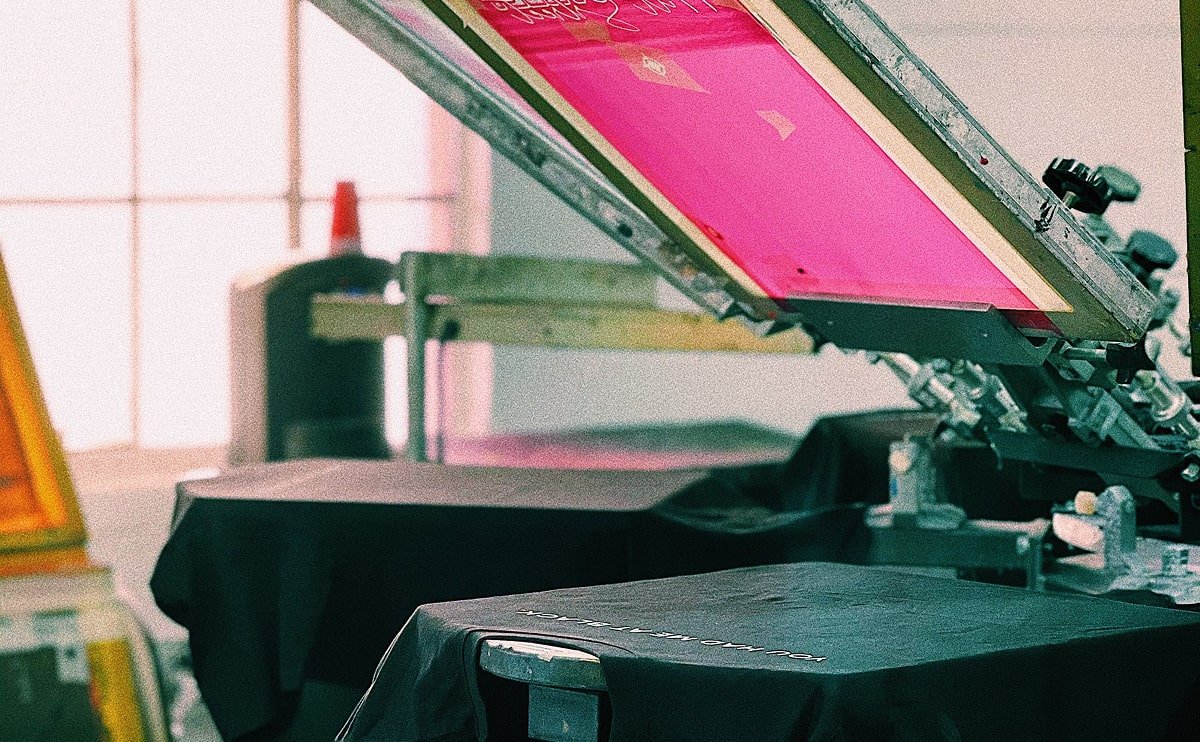
• Screen printing for high-volume textile consistency
• UV printing for rigid surfaces with sharp detail
• Embroidery for premium tactile branding
• Heat transfer for complex multi-color designs
Choosing the wrong method can lead to fading, cracking, or misalignment, which directly impacts brand credibility.
3. Durability Testing
Merchandise should be tested for wash cycles, abrasion resistance, and exposure to environmental factors. A logo that deteriorates quickly undermines brand perception more than it promotes it.
At K&L Global Trading, we integrate these technical considerations early in the production cycle to ensure every item meets both functional and branding standards.
Corporate Merch as an Internal Culture Driver
One of the most underestimated roles of corporate merchandise is its impact on internal alignment. Employees interact with branded items more frequently than external audiences.
When designed correctly, merchandise can:
• Reinforce organizational identity
• Create a sense of belonging
• Standardize visual consistency across departments
• Enhance onboarding experiences
For example, a thoughtfully curated welcome kit does more than introduce a new hire. It establishes expectations about quality, attention to detail, and company culture from day one.
Data-Driven Merch Distribution
Modern organizations are increasingly applying analytics to merchandise strategies. Instead of distributing items randomly, companies are mapping distribution based on behavioral insights.
Key approaches include:
• Allocating premium merchandise to high-value client segments
• Aligning product types with specific event formats
• Tracking usage patterns through feedback loops
• Measuring retention rates of different merchandise categories
This transforms merch printing from a cost center into a measurable marketing channel.
Sustainability as a Core Requirement
Sustainability is no longer optional in corporate merchandise. Clients and employees are actively evaluating the environmental impact of branded products.
A forward-thinking merch strategy includes:
• Use of recyclable or biodegradable materials
• Reduction of excess packaging
• Long-life product design to minimize waste
• Ethical sourcing and manufacturing transparency
At K&L Global Trading, sustainability considerations are integrated into sourcing and production workflows to ensure that branding efforts align with broader environmental responsibilities.
Supply Chain Precision in Merch Printing
One of the most complex aspects of corporate merch printing is logistics. Timelines, inventory management, and global distribution all play critical roles in execution.
Key operational factors include:
• Forecasting demand accurately to avoid overproduction
• Maintaining consistent quality across batches
• Coordinating international shipping with compliance requirements
• Ensuring on-time delivery for events and campaigns
A breakdown in any of these areas can disrupt marketing initiatives and lead to unnecessary costs. This is why a structured, process-driven approach is essential.
The Future of Corporate Merchandise
Corporate merch printing is evolving toward personalization and integration with digital ecosystems. Emerging trends include:
• Variable data printing for personalized items
• QR code integration for interactive experiences
• NFC-enabled products for instant digital access
• Limited edition merchandise to create exclusivity
These innovations expand the role of merchandise from passive branding to active engagement.
At K&L Global Trading, we see the future of corporate merchandise as a convergence of physical and digital identity. Each item becomes a gateway to deeper brand interaction.
Corporate merch printing is no longer a peripheral activity. When approached strategically, it becomes a long-term asset that reinforces brand identity, supports internal culture, and delivers measurable external impact.
Organizations that invest in thoughtful design, technical precision, and data-driven distribution will extract significantly more value from their merchandise programs.
The shift is simple but powerful. Stop treating merchandise as a giveaway. Start treating it as infrastructure.